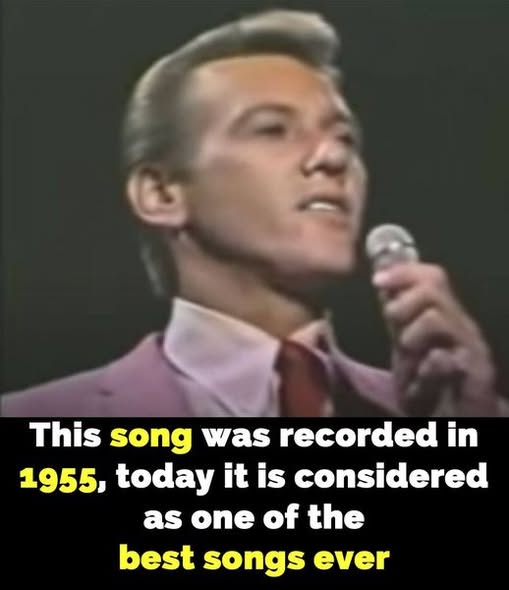

Few songs in the history of modern music carry the haunting, universal resonance of “Unchained Melody.” Originally written in 1955 by Alex North and Hy Zaret for an obscure prison film titled Unchained, the ballad was initially intended to capture the longing of a man separated from his loved ones by iron bars. However, over the last seven decades, the track has transcended its cinematic origins to become a global anthem of yearning, love, and the passage of time. With over 670 recorded versions in dozens of languages, its staying power is a testament to a melody that feels as though it has always existed in the human heart.
While the song was first performed by Todd Duncan, it was the 1965 rendition by The Righteous Brothers that transformed it into a definitive cultural touchstone. Produced with a sparse yet swelling intensity, the track features Bobby Hatfield’s vocal performance, which remains one of the most celebrated in music history. The Brill Building-style production builds slowly, mirroring the rising tension of a heart reaching its breaking point, culminating in a series of soaring high notes that Hatfield hits with a precision that borders on the supernatural. For millions of listeners, these moments are more than just notes; they are visceral expressions of raw emotion. To this day, a popular video of this performance has amassed over 76 million views, with comment sections filled by people of all ages describing the “chills” they feel, proving that true emotional depth never ages.
The song’s legacy was further enriched by Elvis Presley, who breathed his own formidable gravity into the ballad during the final year of his life. In his 1977 live performances, particularly the recorded version from Rapid City, South Dakota, a visibly struggling Elvis sat at a piano and delivered a rendition that felt like a final testament. By infusing the song with his signature operatic power and a palpable sense of weariness, he introduced the ballad to a new generation of fans. His version didn’t just cover the song; it recontextualized it as a deeply personal plea for connection, ensuring that “Unchained Melody” remained firmly in the spotlight of pop culture long after the 1950s had faded.