
While most of us view sleep as a passive state of rest, the mechanics of how we position our bodies during those silent hours play a surprisingly active role in our long-term health. Sleep posture is more than a matter of personal comfort; it is a vital variable that influences the efficiency of our internal organs, the clarity of our minds, and the structural integrity of our frames. Among the various ways we drift off, sleeping on the left side has emerged as a particularly beneficial practice, supported by anatomical logic and emerging neurological research.
The human body is not perfectly symmetrical, and the internal arrangement of our organs means that gravity affects our physiological processes differently depending on how we lie. For many, transitioning to left-side sleeping is not just a preference but a therapeutic adjustment that can alleviate chronic symptoms ranging from digestive distress to cognitive fog.
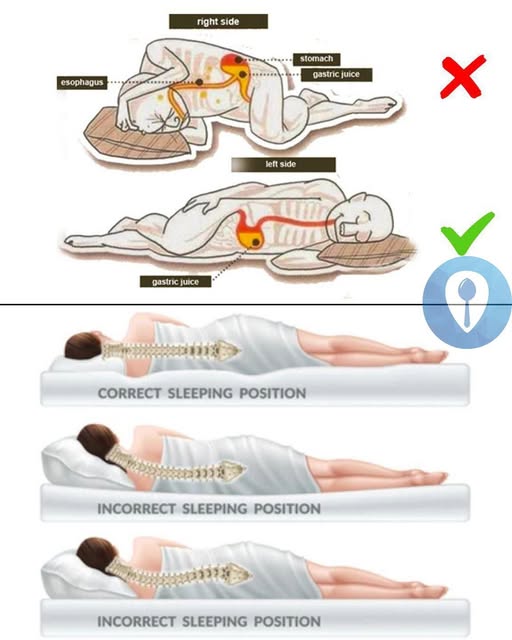
One of the most immediate advantages of left-side sleeping is the profound impact it has on the gastrointestinal system. Anatomically, the stomach is situated on the left side of the abdomen. When you lie on your left, the stomach and its gastric juices remain lower than the esophagus. This use of gravity creates a natural barrier against acid reflux and heartburn. For individuals suffering from Gastroesophageal Reflux Disease (GERD), lying on the right side can actually exacerbate symptoms, as it allows stomach acid to leak into the esophagus more easily. Furthermore, the left-side orientation aids the passage of waste from the small intestine to the large intestine through the ileocecal valve, effectively reducing bloating, gas, and constipation. By working with the body’s natural contours, left-side sleeping streamlines the digestive marathon that occurs while we dream.
Beyond digestion, the benefits extend to the most complex organ in the body: the brain. Recent scientific inquiries have shed light on the glymphatic system, a waste-clearance pathway in the central nervous system. Think of it as the brain’s private plumbing system. During sleep, the glymphatic system becomes highly active, flushing out metabolic waste products, specifically beta-amyloid proteins. The accumulation of these proteins is a primary marker associated with the development of Alzheimer’s disease and other neurodegenerative conditions. Studies conducted on animal models suggest that the glymphatic system operates with significantly higher efficiency when the subject is in a lateral, or side-sleeping, position compared to sleeping on the back or stomach. While human trials are ongoing, the implication is powerful: the way you position your head on the pillow tonight could be a factor in maintaining cognitive sharpness decades from now.
For those struggling with respiratory issues or sleep-disordered breathing, the left-side position offers a mechanical solution to a common problem. When a person sleeps on their back, gravity pulls the tongue and the soft tissues of the palate backward, which can partially obstruct the airway. This is the primary cause of snoring and a major contributor to obstructive sleep apnea. By shifting to the side, the airway remains more open and stable, allowing for a more consistent flow of oxygen. This not only results in a quieter night for a sleeping partner but ensures that the sleeper’s blood-oxygen levels remain optimal, preventing the fragmented sleep and cardiovascular strain associated with apnea.
The structural benefits to the musculoskeletal system are equally significant. Many people suffer from chronic back and neck pain due to sleeping on their stomachs, a position that forces the neck into an unnatural twist and creates an exaggerated arch in the lumbar spine. Side sleeping, conversely, allows the spine to maintain its natural, neutral curvature. By bringing the knees slightly toward the chest—the “fetal” position—the pressure on the lower back is dispersed, providing relief to those with herniated discs or general spinal tension.